Is Visual Scaling Reliable?
The world of power scaling in anime and manga is a complex and often debated topic. One question that frequently arises is whether it is inherently wrong to scale a character's power based solely on visuals. This method of scaling has its proponents and detractors, and understanding the nuances can help fans appreciate the strengths and limitations of this approach.
Saitama vs. Jiren: A Case Study
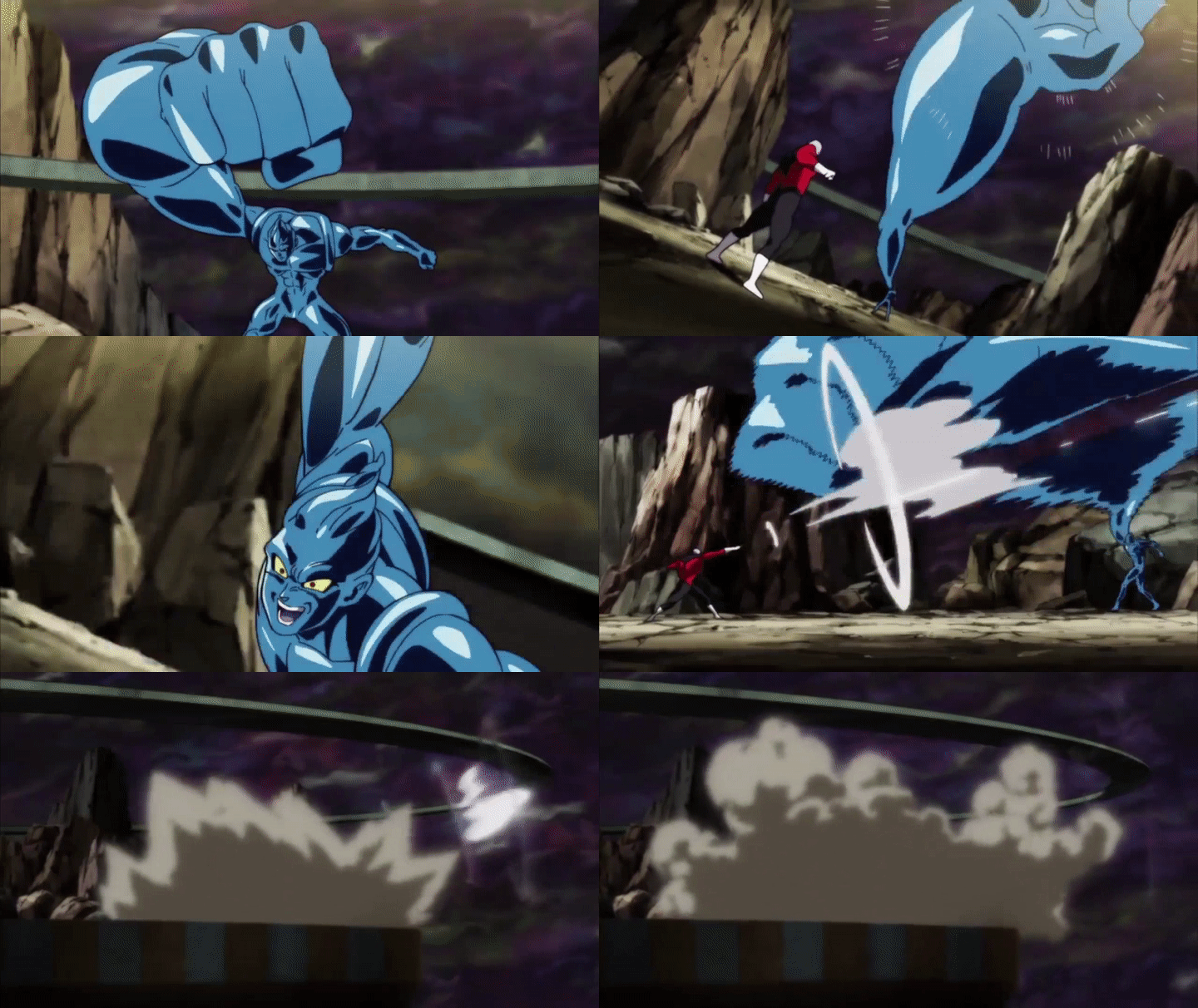
The debate often centers around iconic characters like Saitama from 'One-Punch Man' and Jiren from 'Dragon Ball Super'. At first glance, Saitama's punch may appear more powerful than Jiren's, but is this a reliable indicator of their true strength?
"For example, based on visuals, Saitama's punch is much better than Jiren's. Yet Jiren is considered multi-galaxy level, while Saitama is often placed at a lower level."
This discrepancy highlights the potential pitfalls of visual scaling. While visuals can be impressive, they may not accurately reflect a character's true power, especially when dealing with universal or higher-level powers.
The Importance of Context
Context is crucial when evaluating a character's power. Some argue that visuals can be an accurate way to scale characters, but only in certain circumstances:
"Sometimes characters purely perform feats and it's an accurate way to scale them. But when they get to universal and above, this method doesn't work. In anime and manga, statements are often needed to reach those power levels."
The challenge lies in the fact that authors and animators may prioritize style and storytelling over strict adherence to power levels, leading to inconsistencies.
Statements vs. Feats
A common point of contention is the reliability of statements versus visual feats. Some fans argue that feats are more trustworthy:
"Feats are 100% proven. You can see it with your eyes. Statements can be 100% false. It's like telling someone you can fly and then not being able to show it."
However, others point out that statements from the author or narrator carry weight, as they are the creators of the story:
"If the author or narrator says something a character could do, that literally means he could."
This debate highlights the subjective nature of power scaling and the importance of considering multiple factors.
The Role of Animation and Studio Style
Animation style and studio choices can significantly impact how power is portrayed. One commenter notes:
"How a studio animates something can change how it looks. If the studio that made OPM season 1 did the Jiren fight, it would look way more impressive. Authors have different styles of showing power."
This observation underscores the idea that visuals should be considered within the context of the studio's style and storytelling choices.
The Limits of Visual Scaling
While visuals can provide valuable insights, they are not always a reliable indicator of power. Commenters point out that authors may prioritize storytelling and aesthetics over strict physics:
"Authors are not physicists; their goal isn't to ensure each punch has X newtons of force. Scaling by measuring pixels or doing math on visuals is flawed because authors operate on 'what feels right' and 'this looks cool.'"
This perspective highlights the need for a nuanced approach, considering both visuals and narrative context.
The Need for a Comprehensive Approach
The consensus seems to be that while visuals can be a useful tool, they should not be the sole basis for power scaling. A comprehensive approach, considering statements, context, and the author's intent, is essential:
"Visuals aren't always 'wrong,' but relying on them solely is a bad thing. It would only lead to contradictions or confusion."
"We need a combination of many things to scale. Scaling off of visual feats alone is flawed. By the same logic, Saitama defeated Garou with a punch that didn't even destroy a mountain."
In conclusion, while visuals can provide a compelling snapshot of a character's power, they should be considered within a broader context. Power scaling is an art, and a comprehensive approach that considers all available information is the key to a more accurate and satisfying analysis.